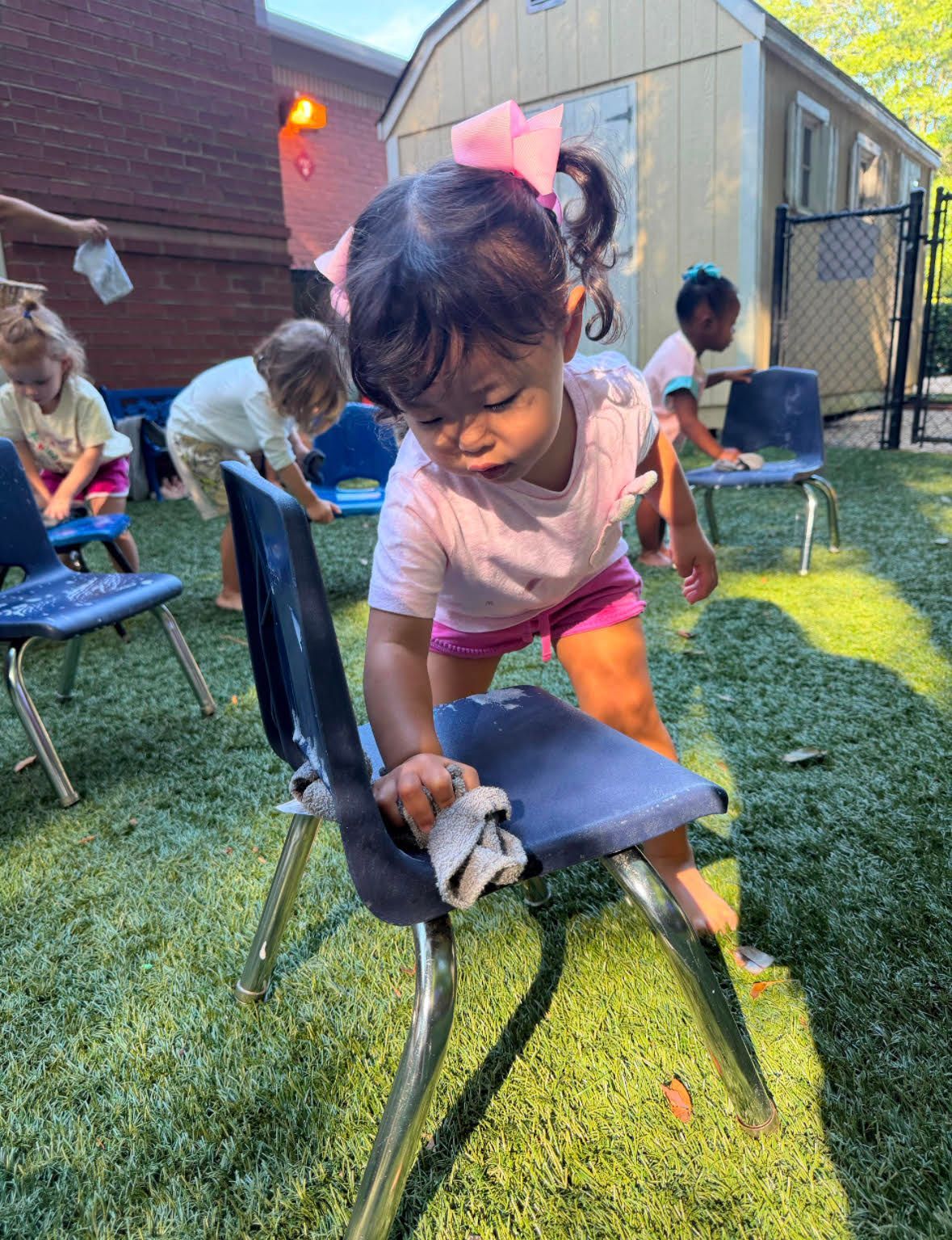

Where Children Develop a Love for Learning

Authentic Montessori in Alpharetta for children ages 15 months to 12 years.

Welcome to Crabapple Montessori School

Welcome to Crabapple Montessori School, where children are nurtured emotionally, physically and intellectually to blossom to their fullest potential and be prepared for their next step in life!


We are an AMI and Cognia accredited private pre-school and Elementary school located in Alpharetta, Georgia that follows a Montessori curriculum for children between the ages of 15 months and 12 years. We serve families in the cities of Alpharetta, Milton, Roswell, Canton, Woodstock and Cumming in Metropolitan Atlanta, Georgia.

An environment designed for learning.

Crabapple Montessori School is situated on a three-acre wooded lot, and our school was designed and built with Montessori education principles in mind. Our classrooms are spacious and have an abundance of natural light and open space, and each classroom also has a fenced-in children’s garden for outdoor learning.

Why Choose Montessori?

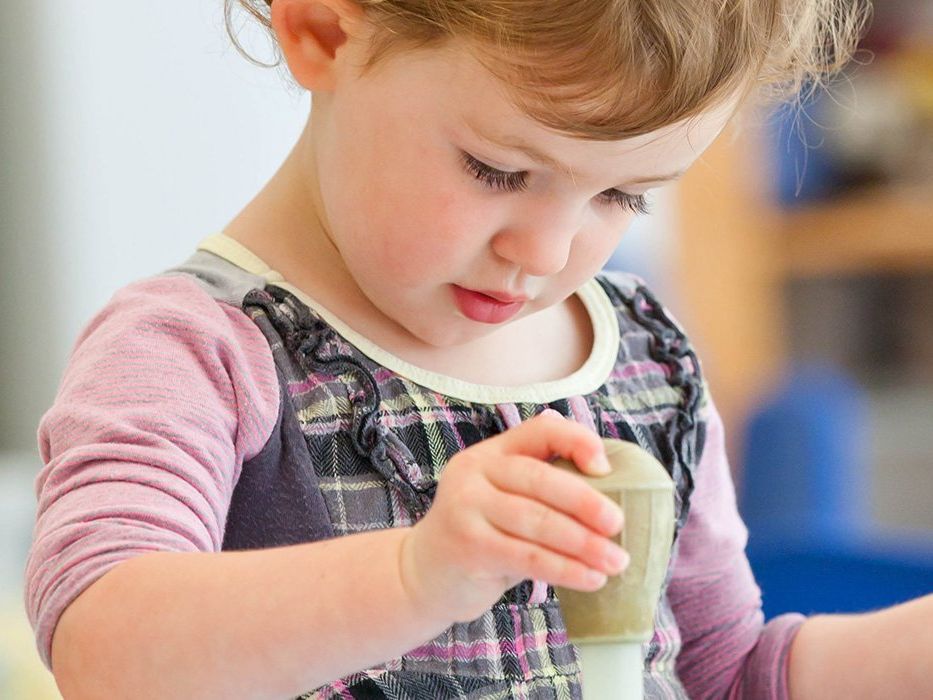
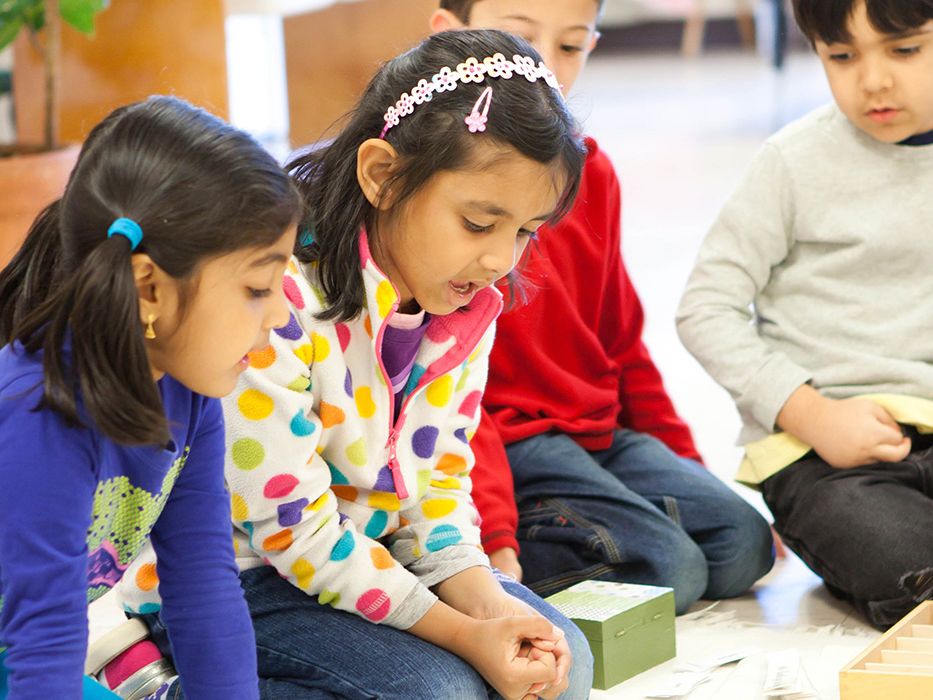
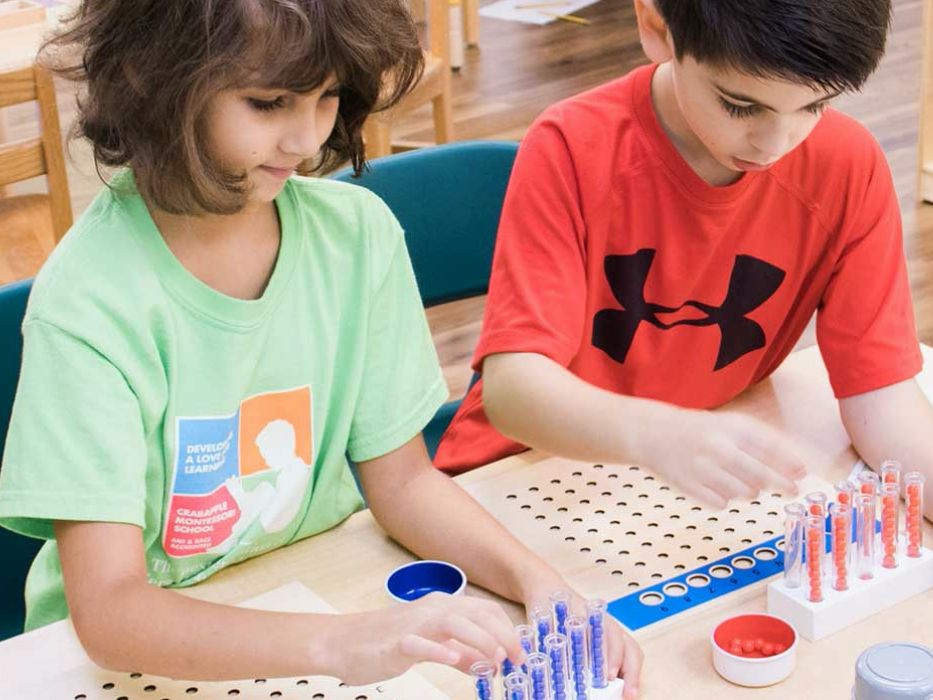
When children are equipped with creative educational materials and guided by well-trained, certified teachers, they make remarkable developmental discoveries every day as they explore the pathways of natural curiosity. They discover how to work and play with others. Children discover self-confidence and develop a lifelong love of learning. 

Learn More

Our Programs

What Our Parents Say

  • SANGEETA & VIJAY


    Both our children have attended Crabapple Montessori School (CMS) — our older daughter attended CMS a couple of years ago, while our younger daughter will be starting her third year, Fall 2012.


    It is a pleasure to see a four-year old wake up on school days and be excited about going to school! We are happy with their advancements in academics and social skills. The combination of the Montessori teaching philosophy, outstanding teachers and supportive parents makes CM an ideal place to nurture young minds.


    We are proud to be part of the Crabapple Montessori family, and highly recommend this school.

    Button
  • HEATHER


    Montessori is such an excellent environment for a child’s development, and CMS is the best of Montessori. In the CMS community, teachers, staff, families, everyone values education and individual development very highly.


    Some of the schools nearby are so focused on the children, but they do not offer scheduling options that working parents’ need. Some schools are over-focused on what the parents need or want to hear as “paying customers” that they may neglect the true best interest of the child. CMS manages to serve both the children and the parents’ needs very, very effectively.


    The communication from the administration to the parents is outstanding. The facility is beautiful. On my commute I pass 6 other schools that are options for my children. I did my research and I chose Crabapple Montessori School.

    Button
  • SCOTT & SHAWNA


    Our daughter started Crabapple Montessori at the age of 2½, with Spanish as her first language. After only a few short months of being enrolled in the Toddler program, English became her primary language thanks to the dedication and support of her teacher.


    Now a student in the Primary program, her vocabulary has increased dramatically. Her ability to do the lessons in class and complete her “work” in its entirety has amazed us. We could not imagine how our daughter would have progressed this past year without the help and support of the CMS family.

    Button

Visit Us!

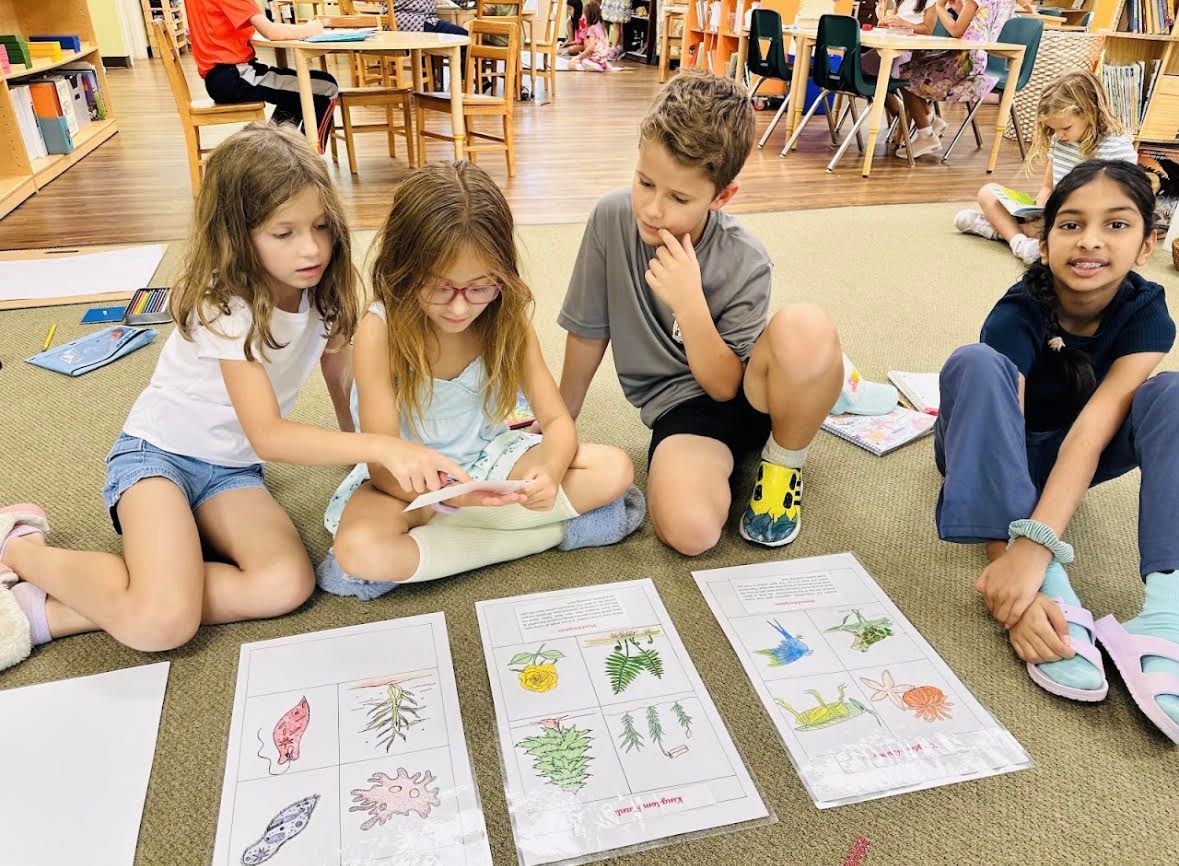
We invite you to schedule a visit to see for yourself how Crabapple Montessori students experience hands-on learning, independent thinking and joyful discovery!

Schedule a Tour

The Latest from our Blog

A young child in a blue shirt reaches up to press the flush handle on a white toilet in a bathroom.
February 16, 2026
Explore a calm, respectful Montessori approach to toilet learning that honors children’s development, independence, and bodily awareness.
Stages of Development Series: Maturity
October 27, 2025
This is the final post of a series focusing on each of the four stages (or planes) of development: birth through age six, ages six to twelve, ages twelve to eighteen, and ages eighteen to twenty-four. Montessori pedagogy calls for a big picture perspective that incorporates the fundamental principles of human development at each stage of development and how we can best provide for a developing young person in each stage. A Path Toward Maturity and Contribution to Society The journey of human development, as envisioned by Dr. Maria Montessori, is marked by four distinct planes. Each plane represents a different phase in an individual's growth, and the fourth plane, spanning from 18 to 24 years of age, is no exception. This phase, which Montessori refers to as Maturity, signals the culmination of psychological and physical growth and paves the way for young adults to step into the world as a fully formed individuals capable of significant contributions to society. Characteristics of the Fourth Plane The fourth plane represents a time when individuals reach the height of their development and begin to assume their role in society. Unlike the earlier planes, the psychological changes during this period are less dramatic and more internal, and the focus shifts to understanding oneself and the world beyond one’s immediate needs. Whereas the body completes its physical maturation, the mind embarks on the task of understanding how it can contribute to humanity. In The Four Planes of Education, Dr. Montessori writes, “The individual should be the man who knows how to make his own choice of action having passed to perfection the preceding phases. He should be as a live spark and aware of the open gate to the potentialities of prospective human life and of his own possibilities and responsibilities” (p. 15). This encapsulates the essence of the fourth plane— young adults’ newfound ability to make independent choices while being aware of their potential impact on society. In this stage, individuals are not merely focused on themselves but are also learning to engage with the world beyond their personal ego. The question that arises is not “Who am I?” but “What can I do?” This shift from self-centeredness to a broader, more collective view of life signifies the maturity that defines the fourth plane. Conquest of Independence One of the key aspects of the fourth plane is the conquest of independence, particularly economic independence. This phase marks a time when individuals strive to become self-sufficient within the larger society. Young adults move beyond the dependency of childhood and adolescence, assuming more responsibility for their own life, finances, and future. This is a period when a personal mission begins to take shape. Young adults start to solidify their goals, whether academic, professional, or personal, and work toward them with a growing sense of purpose. Dr. Montessori believed that achieving economic independence was crucial, as it not only provides the means to live but also fosters a sense of autonomy and responsibility. Observable Examples of Development Physically, by the fourth plane, development is largely complete. The dramatic growth spurts of the previous stages have slowed, and young adults now have full mastery over their body. Health is typically stable, and there is an overall sense of well-being. Much like the second plane, the fourth plane is also conducive to intellectual pursuits, particularly those that lead to specialization in areas essential for a future career. This is when our young adults are honing skills that will serve them in the professional world, whether through higher education, apprenticeships, or other forms of specialized learning. The fourth plane is also a time when individuals, having developed a solid understanding of themselves, are ready to take on more significant intellectual and social responsibilities. This is when they truly start asking the big questions, such as, “How can I contribute to the world?” It is at this stage that young adults embark on the exploration of their "cosmic task," a concept Montessori introduced in the second plane, which refers to the idea that every individual has a unique role to play in the larger story of humanity. The Role of the Supportive Environment With significant internal growth happening during the fourth plane, the role of the external environment remains crucial. A supportive environment during the preceding planes can have a profound effect on how individuals move through this stage. If our young adults have been nurtured in an environment that promotes autonomy, responsibility, and respect for their capacity to make choices, they are more likely to enter adulthood with the skills and mindset necessary to thrive in society. To prepare for their careers during this time, many young adults pursue higher education, either through university studies or vocational training. Alternatively, they may enter the workforce, beginning to take on professional roles that contribute to society. This is also a time when many young adults leave the family home and start families of their own, further solidifying their place in the world as independent adults. Dr. Montessori, unfortunately, did not have the opportunity to explore this phase in depth. However, we can imagine a world where every individual has been given the best possible environment throughout the previous planes of development. In such a world, adults who emerge from the fourth plane are equipped not only with the knowledge and skills to succeed but also with a profound sense of responsibility toward the greater good. An Enlightened Society The ideal outcome of the fourth plane is individuals who not only seek personal success but also work toward the welfare of humankind. Young adults who have passed through the earlier planes of development with the support of nurturing environments can enter society with a strong social conscience, eager to contribute to the collective well-being of humanity. They see the interconnectedness of all people and seek ways to address societal issues and contribute to the common good. Imagine a world in which all young adults, having been guided through the previous developmental stages, emerge from the fourth plane ready to play their roles in society—not only as self-sufficient individuals but as enlightened members of a larger human community. This vision encapsulates the Montessori ideal: a world where everyone has the potential to contribute meaningfully to the advancement of humanity as a whole. The fourth plane of development is not merely a time for self-discovery but a time for self-realization and societal contribution. Young adults, secure in their independence, prepare to engage with the world in ways that transcend personal goals, focusing instead on broader responsibilities. By fostering an environment that nurtures growth and independence, we set the stage for a society composed of individuals capable of making meaningful contributions to humanity’s collective well-being. Curious to see how attention to the characteristics and needs of earlier stages of development can support an enlightened society? Schedule a tour today!
Stages of Development Series: Adolescence
October 20, 2025
This post is the third installment in our series exploring four stages of human development from a Montessori perspective. The Montessori approach takes a holistic view of growth, recognizing the unique needs of young people at every stage—birth to age six, six to twelve, twelve to eighteen, and eighteen to twenty-four—and adapts learning environments to support natural development at each stage. By understanding these key phases, we can better nurture young individuals as they progress on their journey to maturity. Adolescence (Age Twelve to Eighteen) Adolescence is often seen as a turbulent stage in life, sometimes even labeled as dysfunctional or something to endure. However, Dr. Maria Montessori viewed this vital period of human development as a time in our lives that deserves respect and understanding. In Montessori education, adolescence is honored as a time of transition, a phase of development that, in many ways, mirrors the first six years of life. Just as the early years are marked by rapid transformation and the shaping of the individual, adolescence marks the transformation from childhood into adulthood. Adolescent Development The third plane of development, which typically begins at age twelve and continues through the teenage years, is one of significant physical, emotional, and social transformation. This period is characterized by the onset of puberty, hormonal changes, and dramatic physical shifts. Adolescents, much like children in the first plane of development, experience rapid change, but this time it is in preparation for adulthood and potential child-rearing. As a result, adolescents require more sleep and are more susceptible to health issues (e.g. acne, depression, and eating disorders). A key focus during this stage is the conquest of social and economic independence. Humans on the journey to adulthood need to function in social organizations, which requires intellectual and social skills. Adolescents also need to experience how economic interdependency works and they want to learn about different roles in economic systems. To do so, they need the awareness and skills to contribute in meaningful ways. Social engagement is how we function as humans. Economic contribution and interdependency is how we meet our needs. Adolescents are no longer passive observers of society; instead, they strive to become active participants and contributors. Like during the first plane, adolescents learn best through hands-on experiences that benefit society, which reinforces their desire to contribute in meaningful ways. Adolescents as Social Newborns Dr. Montessori often referred to early adolescence as the "newborn" stage of adulthood, highlighting the vulnerability and transformation that adolescents undergo. This period of rapid physical and emotional development mirrors the developmental intensity of the first years of life. Adolescents are not just growing in terms of physical stature but also in terms of emotional and social maturity. Much like a newborn, adolescents are learning how to navigate the complexities of the world around them. They are developing a sense of self and finding their place in society. The challenge of the third plane is to help them build this self-confidence and self-worth, while guiding them through the emotional turbulence that often accompanies this stage. Holistic Development: Physical, Emotional, and Social Growth Montessori's approach to adolescence is deeply holistic. We emphasize the importance of addressing the adolescent's physical, emotional, and social needs, recognizing that these areas are interconnected and cannot be separated in the developmental process. Physical Development Adolescents undergo significant physical changes during this time, including hormonal fluctuations and rapid growth. Brain development continues with an oversupply of gray matter and pruning of neural pathways, which influences behavior and learning capacity. Key physical needs include: Engaging in physical activity and hands-on work Maintaining a healthy diet Ensuring adequate sleep Emotional and Psychological Development Adolescents experience strong emotional swings and are highly self-conscious. They are forming their identities and are very aware of peer perceptions. Balancing these emotions and navigating their evolving sense of self can be challenging. Emotional needs include: Opportunities to build confidence and independence Safe yet challenging environments Support in self-expression and identity formation Social Development Social connections become increasingly important during adolescence. Adolescents seek peer approval and loyalty and often engage in risk-taking behaviors as they establish their place within their social circles. They learn best through collaboration and social interaction. Social needs include: Opportunities for collaboration with peers Mentorship from adults Meaningful and relevant social engagement Moral and Intellectual Development Dr. Montessori emphasized the adolescent’s sensitivity to issues of justice and personal dignity. This stage is a critical time for developing a strong sense of fairness and the desire to contribute meaningfully to society. As they mature, adolescents begin to understand the value of their contributions to the world around them. Though their intellectual development might seem secondary due to emotional upheavals, it remains essential. As their brains undergo significant rewiring and neural pruning, adolescents still benefit from intellectual opportunities and challenges, as well as strong moral foundations. The Role of Work and Contribution Just as it was in earlier planes of development, work remains a vital aspect of adolescence. Adolescents have a strong desire to contribute to society and have their efforts recognized. Through work and activity, adolescents bolster their self-esteem and gain a sense of accomplishment. The educational model proposed by Dr. Montessori focuses on land-based work and cooperative community living, which provide ways for adolescents to engage in meaningful activities. This model supports adolescents’ physical well-being, fosters social development, and prepares them for economic independence. Through hands-on work, adolescents not only contribute to their immediate communities but also develop a sense of responsibility and understanding of the value of work. Supporting Adolescents Through Their Development To meet the developmental needs of adolescents, we need to offer supportive environments. Dr. Montessori envisioned a community where adolescents could live and work together, gaining both physical and emotional nourishment. Providing opportunities for physical activity, collaboration, and self-expression helps adolescents develop into confident, capable adults. Adolescents need both freedom and guidance. While they push away from adults as they seek independence, they still require boundaries, structure, and mentorship. Adults play a critical role in supporting adolescents as they navigate this transformative stage. Understanding adolescence through the Montessori lens allows us to appreciate this period as one of profound transformation. By honoring the physical, emotional, social, and moral development of adolescents, we can provide them with the support they need to transition confidently into adulthood. With a holistic approach that integrates meaningful work, opportunities for self-expression, and guidance from adults, adolescents can be empowered to become the capable, interdependent adults society needs. Visit our school today to learn more!
Show More
A young child in a blue shirt reaches up to press the flush handle on a white toilet in a bathroom.
February 16, 2026
Explore a calm, respectful Montessori approach to toilet learning that honors children’s development, independence, and bodily awareness.
Stages of Development Series: Maturity
October 27, 2025
This is the final post of a series focusing on each of the four stages (or planes) of development: birth through age six, ages six to twelve, ages twelve to eighteen, and ages eighteen to twenty-four. Montessori pedagogy calls for a big picture perspective that incorporates the fundamental principles of human development at each stage of development and how we can best provide for a developing young person in each stage. A Path Toward Maturity and Contribution to Society The journey of human development, as envisioned by Dr. Maria Montessori, is marked by four distinct planes. Each plane represents a different phase in an individual's growth, and the fourth plane, spanning from 18 to 24 years of age, is no exception. This phase, which Montessori refers to as Maturity, signals the culmination of psychological and physical growth and paves the way for young adults to step into the world as a fully formed individuals capable of significant contributions to society. Characteristics of the Fourth Plane The fourth plane represents a time when individuals reach the height of their development and begin to assume their role in society. Unlike the earlier planes, the psychological changes during this period are less dramatic and more internal, and the focus shifts to understanding oneself and the world beyond one’s immediate needs. Whereas the body completes its physical maturation, the mind embarks on the task of understanding how it can contribute to humanity. In The Four Planes of Education, Dr. Montessori writes, “The individual should be the man who knows how to make his own choice of action having passed to perfection the preceding phases. He should be as a live spark and aware of the open gate to the potentialities of prospective human life and of his own possibilities and responsibilities” (p. 15). This encapsulates the essence of the fourth plane— young adults’ newfound ability to make independent choices while being aware of their potential impact on society. In this stage, individuals are not merely focused on themselves but are also learning to engage with the world beyond their personal ego. The question that arises is not “Who am I?” but “What can I do?” This shift from self-centeredness to a broader, more collective view of life signifies the maturity that defines the fourth plane. Conquest of Independence One of the key aspects of the fourth plane is the conquest of independence, particularly economic independence. This phase marks a time when individuals strive to become self-sufficient within the larger society. Young adults move beyond the dependency of childhood and adolescence, assuming more responsibility for their own life, finances, and future. This is a period when a personal mission begins to take shape. Young adults start to solidify their goals, whether academic, professional, or personal, and work toward them with a growing sense of purpose. Dr. Montessori believed that achieving economic independence was crucial, as it not only provides the means to live but also fosters a sense of autonomy and responsibility. Observable Examples of Development Physically, by the fourth plane, development is largely complete. The dramatic growth spurts of the previous stages have slowed, and young adults now have full mastery over their body. Health is typically stable, and there is an overall sense of well-being. Much like the second plane, the fourth plane is also conducive to intellectual pursuits, particularly those that lead to specialization in areas essential for a future career. This is when our young adults are honing skills that will serve them in the professional world, whether through higher education, apprenticeships, or other forms of specialized learning. The fourth plane is also a time when individuals, having developed a solid understanding of themselves, are ready to take on more significant intellectual and social responsibilities. This is when they truly start asking the big questions, such as, “How can I contribute to the world?” It is at this stage that young adults embark on the exploration of their "cosmic task," a concept Montessori introduced in the second plane, which refers to the idea that every individual has a unique role to play in the larger story of humanity. The Role of the Supportive Environment With significant internal growth happening during the fourth plane, the role of the external environment remains crucial. A supportive environment during the preceding planes can have a profound effect on how individuals move through this stage. If our young adults have been nurtured in an environment that promotes autonomy, responsibility, and respect for their capacity to make choices, they are more likely to enter adulthood with the skills and mindset necessary to thrive in society. To prepare for their careers during this time, many young adults pursue higher education, either through university studies or vocational training. Alternatively, they may enter the workforce, beginning to take on professional roles that contribute to society. This is also a time when many young adults leave the family home and start families of their own, further solidifying their place in the world as independent adults. Dr. Montessori, unfortunately, did not have the opportunity to explore this phase in depth. However, we can imagine a world where every individual has been given the best possible environment throughout the previous planes of development. In such a world, adults who emerge from the fourth plane are equipped not only with the knowledge and skills to succeed but also with a profound sense of responsibility toward the greater good. An Enlightened Society The ideal outcome of the fourth plane is individuals who not only seek personal success but also work toward the welfare of humankind. Young adults who have passed through the earlier planes of development with the support of nurturing environments can enter society with a strong social conscience, eager to contribute to the collective well-being of humanity. They see the interconnectedness of all people and seek ways to address societal issues and contribute to the common good. Imagine a world in which all young adults, having been guided through the previous developmental stages, emerge from the fourth plane ready to play their roles in society—not only as self-sufficient individuals but as enlightened members of a larger human community. This vision encapsulates the Montessori ideal: a world where everyone has the potential to contribute meaningfully to the advancement of humanity as a whole. The fourth plane of development is not merely a time for self-discovery but a time for self-realization and societal contribution. Young adults, secure in their independence, prepare to engage with the world in ways that transcend personal goals, focusing instead on broader responsibilities. By fostering an environment that nurtures growth and independence, we set the stage for a society composed of individuals capable of making meaningful contributions to humanity’s collective well-being. Curious to see how attention to the characteristics and needs of earlier stages of development can support an enlightened society? Schedule a tour today!
Stages of Development Series: Adolescence
October 20, 2025
This post is the third installment in our series exploring four stages of human development from a Montessori perspective. The Montessori approach takes a holistic view of growth, recognizing the unique needs of young people at every stage—birth to age six, six to twelve, twelve to eighteen, and eighteen to twenty-four—and adapts learning environments to support natural development at each stage. By understanding these key phases, we can better nurture young individuals as they progress on their journey to maturity. Adolescence (Age Twelve to Eighteen) Adolescence is often seen as a turbulent stage in life, sometimes even labeled as dysfunctional or something to endure. However, Dr. Maria Montessori viewed this vital period of human development as a time in our lives that deserves respect and understanding. In Montessori education, adolescence is honored as a time of transition, a phase of development that, in many ways, mirrors the first six years of life. Just as the early years are marked by rapid transformation and the shaping of the individual, adolescence marks the transformation from childhood into adulthood. Adolescent Development The third plane of development, which typically begins at age twelve and continues through the teenage years, is one of significant physical, emotional, and social transformation. This period is characterized by the onset of puberty, hormonal changes, and dramatic physical shifts. Adolescents, much like children in the first plane of development, experience rapid change, but this time it is in preparation for adulthood and potential child-rearing. As a result, adolescents require more sleep and are more susceptible to health issues (e.g. acne, depression, and eating disorders). A key focus during this stage is the conquest of social and economic independence. Humans on the journey to adulthood need to function in social organizations, which requires intellectual and social skills. Adolescents also need to experience how economic interdependency works and they want to learn about different roles in economic systems. To do so, they need the awareness and skills to contribute in meaningful ways. Social engagement is how we function as humans. Economic contribution and interdependency is how we meet our needs. Adolescents are no longer passive observers of society; instead, they strive to become active participants and contributors. Like during the first plane, adolescents learn best through hands-on experiences that benefit society, which reinforces their desire to contribute in meaningful ways. Adolescents as Social Newborns Dr. Montessori often referred to early adolescence as the "newborn" stage of adulthood, highlighting the vulnerability and transformation that adolescents undergo. This period of rapid physical and emotional development mirrors the developmental intensity of the first years of life. Adolescents are not just growing in terms of physical stature but also in terms of emotional and social maturity. Much like a newborn, adolescents are learning how to navigate the complexities of the world around them. They are developing a sense of self and finding their place in society. The challenge of the third plane is to help them build this self-confidence and self-worth, while guiding them through the emotional turbulence that often accompanies this stage. Holistic Development: Physical, Emotional, and Social Growth Montessori's approach to adolescence is deeply holistic. We emphasize the importance of addressing the adolescent's physical, emotional, and social needs, recognizing that these areas are interconnected and cannot be separated in the developmental process. Physical Development Adolescents undergo significant physical changes during this time, including hormonal fluctuations and rapid growth. Brain development continues with an oversupply of gray matter and pruning of neural pathways, which influences behavior and learning capacity. Key physical needs include: Engaging in physical activity and hands-on work Maintaining a healthy diet Ensuring adequate sleep Emotional and Psychological Development Adolescents experience strong emotional swings and are highly self-conscious. They are forming their identities and are very aware of peer perceptions. Balancing these emotions and navigating their evolving sense of self can be challenging. Emotional needs include: Opportunities to build confidence and independence Safe yet challenging environments Support in self-expression and identity formation Social Development Social connections become increasingly important during adolescence. Adolescents seek peer approval and loyalty and often engage in risk-taking behaviors as they establish their place within their social circles. They learn best through collaboration and social interaction. Social needs include: Opportunities for collaboration with peers Mentorship from adults Meaningful and relevant social engagement Moral and Intellectual Development Dr. Montessori emphasized the adolescent’s sensitivity to issues of justice and personal dignity. This stage is a critical time for developing a strong sense of fairness and the desire to contribute meaningfully to society. As they mature, adolescents begin to understand the value of their contributions to the world around them. Though their intellectual development might seem secondary due to emotional upheavals, it remains essential. As their brains undergo significant rewiring and neural pruning, adolescents still benefit from intellectual opportunities and challenges, as well as strong moral foundations. The Role of Work and Contribution Just as it was in earlier planes of development, work remains a vital aspect of adolescence. Adolescents have a strong desire to contribute to society and have their efforts recognized. Through work and activity, adolescents bolster their self-esteem and gain a sense of accomplishment. The educational model proposed by Dr. Montessori focuses on land-based work and cooperative community living, which provide ways for adolescents to engage in meaningful activities. This model supports adolescents’ physical well-being, fosters social development, and prepares them for economic independence. Through hands-on work, adolescents not only contribute to their immediate communities but also develop a sense of responsibility and understanding of the value of work. Supporting Adolescents Through Their Development To meet the developmental needs of adolescents, we need to offer supportive environments. Dr. Montessori envisioned a community where adolescents could live and work together, gaining both physical and emotional nourishment. Providing opportunities for physical activity, collaboration, and self-expression helps adolescents develop into confident, capable adults. Adolescents need both freedom and guidance. While they push away from adults as they seek independence, they still require boundaries, structure, and mentorship. Adults play a critical role in supporting adolescents as they navigate this transformative stage. Understanding adolescence through the Montessori lens allows us to appreciate this period as one of profound transformation. By honoring the physical, emotional, social, and moral development of adolescents, we can provide them with the support they need to transition confidently into adulthood. With a holistic approach that integrates meaningful work, opportunities for self-expression, and guidance from adults, adolescents can be empowered to become the capable, interdependent adults society needs. Visit our school today to learn more!
Show More